


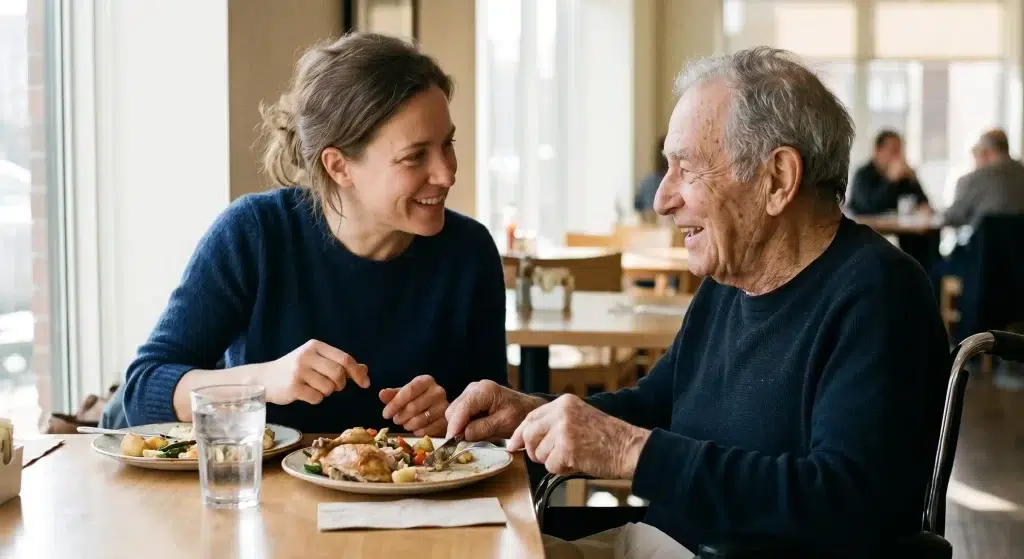
Traveling with elderly wheelchair users requires careful attention to nutrition and hydration that many caregivers underestimate until problems arise. Older adults face increased risks of dehydration, medication-food interactions, dietary restrictions, and difficulty accessing appropriate meals while away from home. For wheelchair users specifically, additional challenges include reaching food and drinks independently, managing meals in accessible settings, and maintaining proper positioning during eating. This comprehensive guide helps Canadian caregivers and families ensure elderly wheelchair users stay well-nourished, properly hydrated, and healthy throughout travels, whether taking short day trips or extended vacations.
Understanding Nutritional Needs of Elderly Travelers
Before planning travel meals, understanding seniors’ specific nutritional requirements helps prevent health complications.
Older adults often have reduced appetites, making every meal nutritionally important. Age-related changes affect nutrition through decreased sense of taste and smell reducing appetite, dental issues complicating eating certain foods, slower digestion requiring appropriate food choices, reduced thirst sensation increasing dehydration risk, and medication effects impacting appetite or nutrient absorption. Travel disrupts normal eating routines, potentially worsening these challenges.
For elderly wheelchair users, maintaining proper energy levels becomes especially important during travel when physical demands and stress increase. Proper nutrition directly impacts energy, mood, immune function, and overall travel enjoyment.
The Critical Importance of Hydration
Dehydration represents one of the most serious yet preventable health risks for elderly travelers.
Why Seniors Face Higher Dehydration Risk: Older adults experience reduced thirst sensation, meaning they may not feel thirsty even when dehydrated. Combined with travel factors like increased activity, warmer environments, reluctance to drink fluids to avoid frequent bathroom trips, and medications with diuretic effects, dehydration becomes a significant concern requiring proactive management.
Recognizing Dehydration Signs: Caregivers should monitor for dehydration symptoms including dry mouth and lips, decreased urination or dark urine, fatigue or confusion, dizziness especially when changing positions, and headaches. Severe dehydration causes serious complications requiring medical attention, making prevention essential.
Hydration Strategies During Travel: Encourage regular fluid intake throughout the day rather than large amounts infrequently, offer beverages seniors enjoy increasing consumption, provide water bottles with easy-grip designs and straws for wheelchair users, set reminders for regular drinking, and monitor intake ensuring adequate consumption. Don’t wait for thirst signals—offer fluids proactively throughout travel days.
Managing Bathroom Concerns: Many seniors limit fluid intake fearing bathroom accessibility challenges. Address this by researching accessible bathroom locations along travel routes, planning regular bathroom breaks reducing anxiety, and reassuring elderly travelers that staying hydrated matters more than bathroom inconvenience. Bathroom accessibility planning reduces hydration-limiting behaviors.
Planning Meals for Travel
Strategic meal planning ensures elderly wheelchair users maintain proper nutrition throughout travels.
Pre-Travel Meal Planning: Before departing, research dining options at your destination, identify restaurants accommodating dietary restrictions, plan meal timing around medication schedules, pack appropriate snacks for between meals, and prepare for situations where suitable food may be unavailable. Advance planning prevents nutritional gaps during travel.
Packing Nutritious Travel Snacks: Appropriate snacks bridge meal gaps and provide nutrition when suitable food isn’t available. Good options include protein-rich items like nuts or cheese, easy-to-eat fruits, whole grain crackers, nutrition bars appropriate for seniors, and shelf-stable items requiring no refrigeration. For wheelchair users, choose snacks easily managed independently and packaged for easy opening.
Managing Dietary Restrictions: Many elderly travelers have dietary restrictions from medical conditions including diabetes requiring blood sugar management, heart conditions necessitating low-sodium diets, swallowing difficulties requiring texture modifications, food allergies demanding careful ingredient checking, and medication interactions limiting certain foods. Communicate restrictions clearly when dining out and pack appropriate alternatives.
Accessible Dining Considerations
Eating in restaurants and public venues presents unique challenges for elderly wheelchair users.
Choosing Accessible Restaurants: Select dining establishments accommodating wheelchairs including physical accessibility with ramps and accessible seating, tables at appropriate heights for wheelchair users, accessible washrooms, and adequate space for wheelchair navigation. Call ahead verifying accessibility rather than assuming, especially important when shopping and running errands during travel.
Positioning for Safe Eating: Proper positioning prevents choking and aids digestion. Ensure elderly wheelchair users sit upright during meals, position wheelchairs at appropriate table heights, provide support maintaining good posture, and allow adequate time for eating without rushing. Proper wheelchair positioning significantly impacts safe, comfortable eating.
Assisting with Meals: Some elderly wheelchair users need eating assistance. Provide help respectfully maintaining dignity, cut food into manageable pieces if needed, ensure utensils are manageable, offer adaptive eating equipment when helpful, and allow as much independence as possible. Balance assistance with preserving autonomy and dignity.
Managing Medications with Food
Many seniors take medications requiring specific timing relative to meals, complicating travel nutrition.
Medication-Food Timing: Some medications must be taken with food, others on empty stomachs. Maintain medication schedules during travel by planning meals around medication requirements, packing medications in carry-on luggage, bringing extra medication for delays, and keeping medication lists with food requirements documented. Disrupted schedules during travel can cause serious health consequences.
Food-Drug Interactions: Certain foods interact with medications affecting their effectiveness or causing adverse reactions. Common interactions include grapefruit affecting many medications, vitamin K-rich foods impacting blood thinners, and dairy affecting certain antibiotics. Understand your elderly traveler’s specific interaction concerns and plan accordingly.
Blood Sugar Management: For diabetic travelers, consistent meal timing maintains blood sugar control. Pack diabetic-appropriate snacks, maintain regular meal schedules, monitor blood sugar as recommended, and prepare for situations disrupting normal eating patterns. Travel stress and activity changes affect blood sugar requiring vigilant management.
Special Considerations for Different Travel Types
Different travel scenarios require tailored nutrition and hydration approaches.
Day Trips: Even short outings require nutrition planning. Pack adequate water and snacks, plan meal timing around the outing, bring necessary medications, and prepare for unexpected delays. Day trips often involve more activity than normal, increasing nutrition and hydration needs.
Road Trips: Extended vehicle travel requires planning regular stops for meals and hydration, packing cooler with perishable healthy foods, maintaining medication schedules during long drives, and ensuring comfortable eating during stops. Safe wheelchair transportation includes planning nutrition breaks during journeys.
Air Travel: Flying presents unique challenges including dehydration from cabin air, limited meal options, restricted liquids through security, and disrupted schedules. Stay hydrated during flights, bring appropriate snacks through security, request special meals when booking, and plan for time zone meal adjustments.
Extended Vacations: Longer trips require sustainable nutrition strategies including researching grocery stores at destinations, booking accommodations with kitchen facilities when helpful, maintaining some dietary routine, and balancing vacation treats with nutritional needs.
Adaptive Equipment for Eating and Drinking
Various adaptive tools help elderly wheelchair users eat and drink independently during travel.
Drinking Aids: Helpful drinking equipment includes cups with handles for easier gripping, straws or special lids preventing spills, lightweight water bottles wheelchair users manage independently, and insulated containers maintaining beverage temperature. Independence in drinking encourages adequate hydration.
Eating Utensils: Adaptive eating tools include weighted utensils for tremors, built-up handles for easier gripping, rocker knives for one-handed cutting, and plate guards preventing food spills. These tools maintain dining independence and dignity.
Portable Equipment: For travel, choose lightweight, packable adaptive equipment, items that clean easily, and tools appropriate for various dining settings. Pack familiar equipment seniors already use successfully at home.
Addressing Common Challenges
Travel inevitably presents nutrition and hydration challenges requiring problem-solving.
Appetite Changes: Travel stress, excitement, or schedule disruမ tions affect appetite. Encourage eating even when appetite is reduced, offer favorite foods stimulating interest, provide smaller frequent meals if large meals are unappealing, and ensure nutritional density when quantity is limited.
Unfamiliar Foods: New environments mean unfamiliar food options. Balance trying new foods with maintaining familiar choices, ensure backup options for picky eaters, and respect food preferences while encouraging adequate nutrition.
Temperature and Storage: Maintaining food safety during travel requires proper storage. Use coolers for perishables, follow food safety guidelines, avoid leaving food at unsafe temperatures, and choose shelf-stable options when refrigeration isn’t available.
Power Plus Mobility’s Commitment to Senior Wellbeing
At Power Plus Mobility, we understand that wheelchairs support not just mobility but complete quality of life including proper nutrition and comfortable dining. Our Canadian-made wheelchairs feature designs supporting proper positioning for safe, comfortable eating and drinking.
Our seating systems and positioning options help elderly wheelchair users maintain the upright, supported postures essential for safe eating and proper digestion. For families caring for elderly wheelchair users, equipment supporting comfortable dining contributes significantly to nutritional wellbeing during travel and daily life.
For comprehensive guidance on caring for elderly wheelchair users, explore our complete blog collection covering every aspect of wheelchair living in Canada.
Nourishing Travel Experiences
Proper nutrition and hydration management transforms travel from a health risk into an enjoyable, enriching experience for elderly wheelchair users. By understanding seniors’ unique nutritional needs, prioritizing hydration, planning meals strategically, and addressing accessibility challenges, caregivers ensure their elderly loved ones stay healthy and energized throughout travels.
Remember that maintaining nutrition and hydration requires proactive effort, especially given seniors’ reduced thirst sensation and appetite changes. Don’t wait for hunger or thirst signals—offer regular meals and fluids throughout travel days. Monitor for signs of dehydration or inadequate nutrition, and adjust plans as needed.
Travel should be a joyful experience creating wonderful memories for elderly wheelchair users and their families. With careful attention to food and drink needs, you ensure these experiences remain positive, healthy, and worry-free. Proper planning prevents the nutrition-related complications that can turn enjoyable trips into health crises.
Your elderly loved one deserves to travel comfortably, safely, and healthily. By implementing these nutrition and hydration strategies, you provide the care and attention that makes travel accessible and enjoyable, regardless of age or mobility needs. Here’s to nourishing travels filled with good food, proper hydration, and wonderful memories.
To visit our social media, please click on Facebook and Instagram