


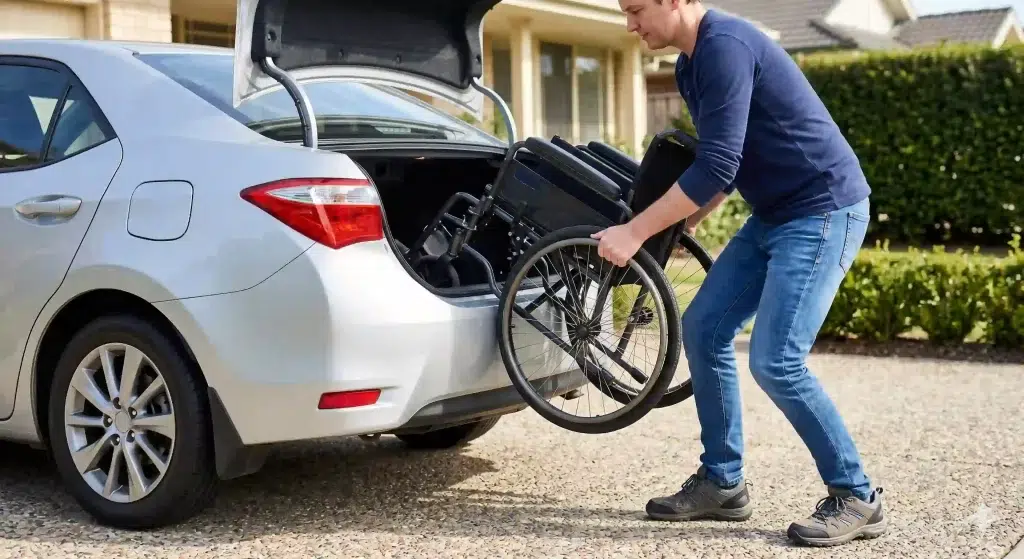
Transporting wheelchairs safely between home and vehicles represents a daily challenge for many Canadian wheelchair users and their families. Whether loading manual wheelchairs into car trunks, securing power wheelchairs in accessible vans, or navigating winter conditions that complicate vehicle transfers, proper transportation techniques protect expensive equipment from damage while ensuring user safety. Each year, improper wheelchair transportation causes thousands of dollars in equipment damage, vehicle accidents from unsecured wheelchairs, and injuries from failed loading attempts. This comprehensive guide provides practical strategies for safely transporting wheelchairs, choosing appropriate vehicles, using proper loading techniques, and protecting equipment during Canadian weather extremes.
Understanding Wheelchair Transportation Challenges
Before addressing solutions, recognize the specific challenges wheelchair transportation presents to Canadian users.
Equipment Damage Risks: Wheelchairs represent significant investments ranging from hundreds to tens of thousands of dollars. Improper transportation causes frame damage from dropping or impacts, tire and wheel damage from incorrect lifting, upholstery tears from rough handling, and component failure from vibration or movement during transit. Proper wheelchair maintenance becomes pointless if transportation damages equipment faster than wear and tear.
Safety Hazards: Unsecured wheelchairs become dangerous projectiles during accidents or sudden stops. A 100-pound manual wheelchair traveling at 60 km/h generates tremendous force during collisions, potentially causing serious injuries or deaths. Power wheelchairs weighing 200-400 pounds create even greater hazards. Beyond accident risks, improper lifting techniques during loading cause back injuries, dropping wheelchairs injures feet and legs, and attempting transfers on icy surfaces leads to dangerous falls.
Canadian Weather Complications: Winter snow and ice make vehicle loading treacherous, freezing temperatures affect wheelchair materials and battery performance, road salt corrodes wheelchair components during transport, and seasonal temperature extremes require special equipment protection. Canadian winter conditions create unique transportation challenges not faced in milder climates.
Choosing Transportation-Friendly Wheelchairs
If you’re selecting a new wheelchair and frequently transport it, consider transportation implications during purchasing decisions.
Lightweight Manual Wheelchairs: Modern lightweight manual wheelchairs often weigh 25-35 pounds, making vehicle loading manageable for many caregivers. Features beneficial for transportation include quick-release wheels reducing weight and bulk, folding frames creating compact storage, removable components lightening lifting requirements, and durable frames withstanding repeated loading cycles.
Folding vs. Rigid Frame Wheelchairs: Choosing between wheelchair types affects transportation ease. Folding wheelchairs compress for easier vehicle storage but may be heavier and less durable. Rigid frames often weigh less and perform better but require more storage space. Consider your vehicle capacity and transportation frequency when selecting wheelchair styles.
Power Wheelchair Transportation Considerations: Power wheelchairs rarely fit in standard vehicle trunks, requiring accessible vans or specialized equipment. If you use a power wheelchair, vehicle modifications or accessible vehicle purchase become necessary rather than optional. Power Plus Mobility’s wheelchair line includes models designed for reliability and durability, important qualities when equipment undergoes regular transportation stress.
Manual Wheelchair Loading Techniques
Proper manual wheelchair loading prevents injuries and equipment damage.
Preparing the Wheelchair: Before loading, remove loose items or accessories that could fall, engage wheel locks preventing unexpected rolling, fold wheelchair if applicable following manufacturer instructions, and remove quick-release wheels if vehicle space requires. Never attempt to fold or manipulate wheelchairs while holding them—place them on stable surfaces during preparation.
Safe Lifting Mechanics: Protect your back and body during wheelchair lifting by bending knees rather than back when lifting, keeping wheelchair close to body during lift, using leg muscles for power, avoiding twisting while holding wheelchair, and asking for help with wheelchairs exceeding comfortable lifting capacity. Most manual wheelchairs weigh 25-50 pounds—seemingly manageable but heavy enough to cause injuries with improper technique, especially during repeated daily loading.
Loading into Vehicle Trunks: For trunk loading, position vehicle close to wheelchair limiting carrying distance, open trunk fully before lifting, lift wheelchair to trunk height using proper body mechanics, place wheelchair gently rather than dropping, and secure wheelchair preventing movement during transit. Some people find lightweight ramps helpful for rolling wheelchairs into larger vehicle trunks rather than lifting.
Loading into Back Seats: Back seat loading provides easier access than trunks for some vehicles. Fold wheelchair compactly, open vehicle door fully, place wheelchair on seat at angle, push or guide into position, and secure with seat belt or cargo straps. Never leave wheelchairs unsecured—even short trips create movement risks.
Securing Wheelchairs During Transport: Unsecured wheelchairs damage vehicles and create safety hazards. Use seat belts wrapped around wheelchair frames, cargo straps designed for equipment securing, bungee cords for lighter wheelchairs (though less secure), or cargo nets preventing forward movement. Check security after closing doors—wheelchairs shift during door closing.
Power Wheelchair and Heavy Equipment Transportation
Power wheelchairs require different transportation approaches than manual chairs.
Accessible Vehicle Options: Most power wheelchair users need accessible vehicles including wheelchair-accessible vans with ramps or lifts, minivans modified with ramps, full-size vans converted for accessibility, or trucks with lift gates. These vehicles represent significant investments but prove necessary for power wheelchair transportation.
Using Vehicle Ramps: Vehicle ramps enable independent or assisted wheelchair loading. Ensure ramp rating exceeds wheelchair and user combined weight, verify ramp secure attachment before use, drive slowly up ramps avoiding sudden movements, and have assistance available for safety. Never attempt ramp use on icy or unstable surfaces—wait for safe conditions or seek help.
Electric Lift Systems: Many accessible vans feature electric lifts raising wheelchairs into vehicles. Follow manufacturer instructions carefully, ensure lift platform clear before operation, verify weight limits, and maintain lift systems regularly. Battery backups on lifts provide emergency operation during electrical failures.
Tie-Down Systems: Accessible vehicles require proper wheelchair tie-down systems meeting crash safety standards. Professional installation ensures tie-downs anchor to vehicle structure properly, use four-point systems (front and rear restraints), include separate user seat belts, and meet or exceed safety standards. Never rely on wheelchair brakes alone during transport—tie-downs are mandatory.
Protecting Wheelchairs During Transportation
Beyond loading and securing, protect wheelchairs from transportation-related damage.
Covering Wheelchairs: Protective covers shield wheelchairs from road salt, moisture accumulation, UV damage during open transport, and dirt or debris. Simple tarp coverings work for short trips; custom wheelchair covers provide better protection for regular transport or longer journeys.
Temperature Protection: Extreme temperatures affect wheelchair materials and components. In winter, bring wheelchairs into heated spaces before immediate use preventing battery cold shock and metal brittleness. In summer, avoid leaving wheelchairs in hot vehicles where plastics may warp, batteries may overcharge, and upholstery may fade.
Battery Safety: Power wheelchair batteries require special transportation care. Ensure batteries fully charged before transport reducing strain, disconnect batteries for long-term vehicle storage, protect battery terminals from moisture, and avoid extreme temperature exposure. Some airlines and transport services have specific battery regulations requiring advance planning.
Component Protection: Remove or secure loose components including cushions that could shift or fall, detachable armrests or footrests, accessories like bags or cup holders, and any medical equipment attached to wheelchairs. Lost components during transport prove expensive and inconvenient to replace.
Alternative Transportation Methods
Beyond personal vehicles, Canadian wheelchair users access various transportation alternatives.
Accessible Public Transit: Public transportation in Canada increasingly accommodates wheelchairs including low-floor buses with ramps or lifts, accessible subway and train stations, and specialized paratransit services. Research local transit accessibility before depending on public transportation for critical appointments.
Paratransit Services: Many Canadian cities offer paratransit door-to-door transportation for individuals unable to use regular public transit. Services typically require advance booking, eligibility verification, and restricted service areas. Register for paratransit services well before needing them—approval processes take weeks or months.
Accessible Taxi and Ride Services: Some taxi companies and ride-sharing services offer accessible vehicles accommodating wheelchairs. Availability varies significantly by location, booking accessible vehicles requires advance notice, and costs often exceed standard transportation. Verify driver training and vehicle appropriate for your specific wheelchair.
Medical Transportation Services: For medical appointments, specialized non-emergency medical transportation provides wheelchair-accessible vehicles with trained attendants. These services typically require doctor referral or medical justification and may be covered by insurance or government health programs.
Traveling Long Distances with Wheelchairs
Extended travel introduces additional wheelchair transportation considerations.
Air Travel: Traveling with wheelchairs via airlines requires special planning including notifying airlines about wheelchair travel, understanding airline wheelchair policies, preparing wheelchairs for cargo hold, and documenting equipment condition before flight. Airline damage to wheelchairs occurs frequently—comprehensive documentation supports damage claims.
Vehicle Road Trips: Long-distance vehicle travel with wheelchairs requires planning accessible rest stops along routes, protecting wheelchairs from prolonged vibration, checking tie-down security regularly, and planning for weather changes during journey. Build extra time into schedules accounting for accessibility needs.
Shipping Wheelchairs: Occasionally users ship wheelchairs separately including when moving to new cities, traveling without accessible vehicles, or sending wheelchairs for repairs. Professional shipping companies experienced with medical equipment provide better protection than general freight services. Photograph equipment thoroughly before shipping documenting pre-existing condition.
Emergency Transportation Situations
Despite planning, transportation emergencies occur requiring adaptable responses.
Vehicle Breakdowns: When accessible vehicles break down, alternatives may not accommodate wheelchairs. Keep emergency contact information for accessible towing services, maintain backup transportation options, and consider roadside assistance programs with accessible service vehicle networks.
Equipment Failure During Transport: Wheelchair failures during transportation create challenging situations. Carry basic repair tools and supplies, know emergency wheelchair repair providers, and maintain backup mobility options when possible. For power wheelchairs, manual drive capabilities provide emergency mobility if electric systems fail.
Weather-Related Transportation Challenges: Canadian winter storms make wheelchair transportation dangerous or impossible. Never attempt vehicle loading during ice storms or blizzards, maintain emergency supplies in vehicles, and postpone non-essential trips during severe weather rather than risking safety.
Power Plus Mobility’s Transportation Support
At Power Plus Mobility, we design our Canadian-made wheelchairs with durability supporting regular transportation demands. Our equipment withstands the vibration, handling, and environmental exposure that transportation creates while maintaining reliable performance.
We understand wheelchair transportation challenges Canadian users face and design equipment accordingly. Whether you transport wheelchairs daily or occasionally, our wheelchairs provide the durability and reliability essential for equipment undergoing regular loading and transit.
For comprehensive wheelchair guidance, explore our complete blog collection covering every aspect of wheelchair living in Canada.
Safe Transportation Protects Equipment and People
Proper wheelchair transportation techniques protect expensive equipment investments while ensuring everyone’s safety. Whether loading manual wheelchairs into car trunks or securing power wheelchairs in accessible vans, following correct procedures prevents injuries, equipment damage, and transportation accidents.
Approach wheelchair transportation systematically by choosing appropriate vehicles for your wheelchair type, learning and practicing safe loading techniques, securing wheelchairs properly during all trips, protecting equipment from weather and damage, and planning transportation needs before emergencies arise.
Your wheelchair enables your independence and mobility—treating it carefully during transportation ensures it continues serving you reliably for years. The time invested in proper transportation techniques returns dividends through prevented injuries, avoided equipment damage, and maintained peace of mind knowing your wheelchair will arrive safely at every destination.
To visit our social media, please click on Facebook and Instagram