


Assistive Technology Trends for Wheelchair Users in 2026: What to Expect and How to Prepare
As 2026 begins, assistive technology continues to evolve rapidly, bringing new opportunities for wheelchair users to live more independently, comfortably, and confidently. From smarter wheelchair designs to digital tools that support daily life, technology is reshaping mobility in meaningful ways. For wheelchair users in Canada, understanding these trends can help with better decision making when upgrading equipment or planning for the future.
This guide explores the most important assistive technology trends for wheelchair users in 2026 and explains how to prepare for them in a practical and realistic way.
Why assistive technology matters more than ever
Assistive technology is not just about convenience. It plays a key role in health, safety, independence, and quality of life. Modern wheelchairs and mobility solutions are designed to reduce pain, prevent long term injuries, and support active lifestyles.
As awareness grows and innovation accelerates, wheelchair users now have access to solutions that were not available even a few years ago. Staying informed helps users choose equipment that truly fits their needs rather than settling for outdated options.
Smarter wheelchairs with advanced customization
One of the biggest trends in 2026 is the rise of smarter wheelchairs that focus on individual needs rather than one size fits all designs. Advanced customization now allows users to fine tune seating, positioning, and support more precisely.
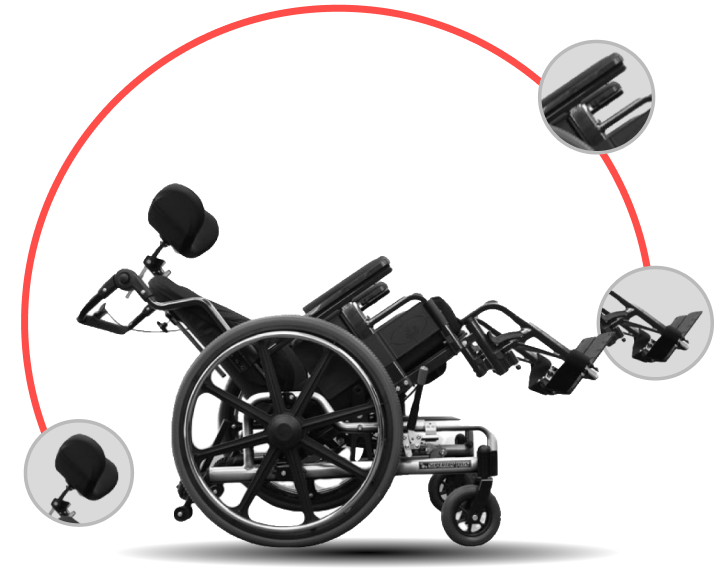
Tilt and positioning systems continue to improve, helping users manage pressure, posture, and fatigue throughout the day. These features work especially well when paired with professional fitting and education, which is why choosing the right wheelchair from the start is so important.
If you are reviewing your current setup, this is a good time to revisit proper fitting and positioning guidance from your wheelchair provider. Choosing the right wheelchair is especially important when planning for the future, and many users review their equipment at the start of the year. Our article on starting 2026 with the right wheelchair explains how to evaluate whether an upgrade is needed.
Technology that supports comfort and pain reduction
Comfort focused innovation is a major priority in 2026. Many wheelchair users experience discomfort or back pain due to poor posture or prolonged sitting. New designs focus on reducing strain on the spine, shoulders, and hips through improved ergonomics.
Advanced seating systems and pressure management solutions are becoming more accessible, helping users maintain comfort throughout long days at work, school, or home. Poor posture and long periods of sitting often lead to discomfort, which is why addressing pain early is important. Our guide on preventing and managing back pain for wheelchair users explains how better equipment and positioning can reduce strain.
By combining modern seating technology with proper posture habits, users can significantly reduce discomfort and improve daily wellbeing.
Better integration between wheelchairs and daily life technology
Another important trend is the integration of wheelchairs with everyday digital tools. From smartphone apps to smart home systems, assistive technology is becoming more connected.
Examples include tools that help manage daily routines, reminders for repositioning, or planning accessible travel and appointments. While not all solutions are wheelchair specific, they enhance independence when paired with the right mobility equipment.
As technology continues to blend mobility with lifestyle support, users benefit most when their wheelchair setup matches their daily environment and routines.
Focus on safety and reliability in changing environments
Canadian weather and seasonal changes demand reliable mobility solutions. In 2026, manufacturers are placing more emphasis on durability, stability, and safety in different conditions.
This includes better materials, improved frame strength, and designs that support consistent performance throughout the year. Preparing for seasonal challenges remains essential, especially during winter months. Seasonal changes can affect both mobility and health, especially during colder months. Many users also focus on emotional resilience during these periods, which is explored in our article on mental health and emotional wellbeing for wheelchair users.
Choosing reliable equipment reduces unexpected breakdowns and helps users stay confident in daily activities.
Growing importance of training and education
Technology alone is not enough. Proper training and education are critical to getting the most from any wheelchair or mobility solution. In 2026, there is increased recognition that users and caregivers need clear guidance on safe operation, positioning, and maintenance.
Education helps prevent injuries, extends equipment lifespan, and ensures users feel confident using advanced features. This aligns with the importance of ongoing safety training and user education offered through trusted providers.
Funding and planning for new technology
As assistive technology advances, planning becomes essential. Understanding funding options, insurance coverage, and long term needs helps users make informed decisions without unnecessary stress.
Many users review their mobility equipment at the start of the year to assess whether upgrades are needed. If you are considering changes in 2026, Planning for new technology often involves medical visits and professional consultations. Our guide on navigating healthcare and medical appointments as a wheelchair user explains how to prepare for these discussions and advocate for your needs.
Planning ahead allows users to adopt new technology gradually and responsibly.
Preparing for assistive technology in 2026
To prepare for these trends, wheelchair users can take a few practical steps:
Start by evaluating your current wheelchair and identifying any discomfort, limitations, or lifestyle changes. Consider whether your current setup supports your daily activities and long term health.
Next, seek professional advice on fitting, positioning, and customization options. Even small adjustments can make a big difference in comfort and usability.
Stay informed by following trusted mobility resources and manufacturers who focus on user centered design. Technology should support your independence, not complicate it.
Finally, focus on solutions that fit your real life needs rather than chasing every new feature. The best assistive technology is the one that improves your daily experience in a meaningful way.
Looking ahead with confidence
The future of assistive technology is promising, especially for wheelchair users who value independence, comfort, and reliability. In 2026, innovation is not just about new features but about creating solutions that respect individual needs and real world challenges.
At Power Plus Mobility, our commitment remains focused on providing Canadian made wheelchairs that support comfort, safety, and long term wellbeing. By staying informed and prepared, wheelchair users can move into 2026 with confidence and clarity.
For more guidance on choosing the right mobility solutions, explore our full collection of educational articles on the Power Plus Mobility blog.
To visit our social media, please click on Facebook and Instagram