


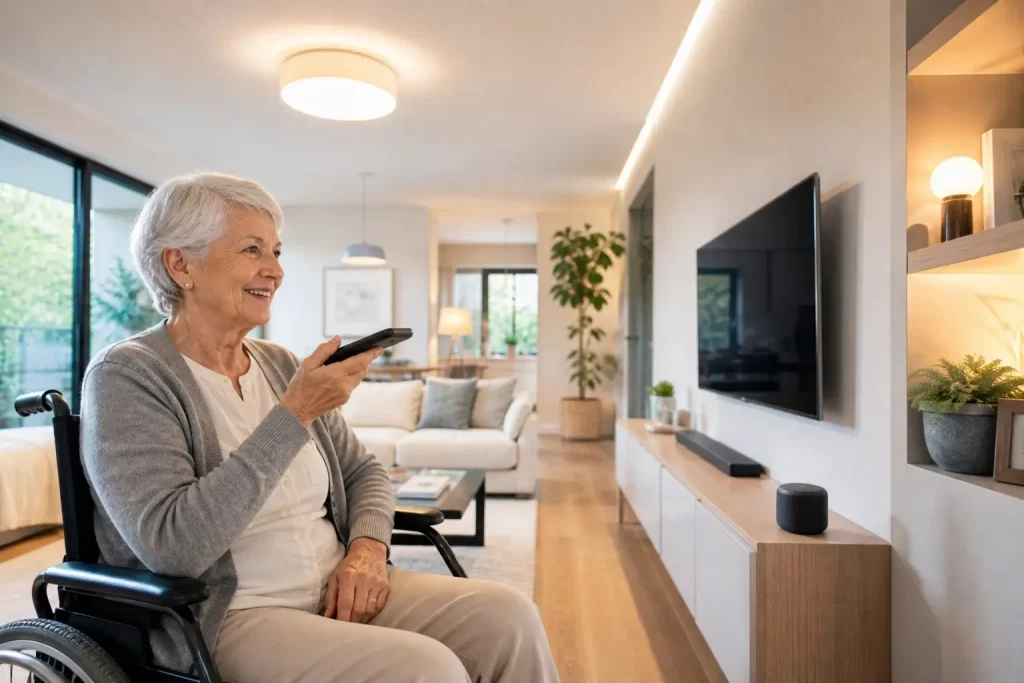
Technology has become an important part of everyday life, and for individuals with mobility challenges, assistive technology is transforming how people live, communicate, and stay independent. From voice controlled devices to automated home systems, modern solutions are making it easier to perform daily tasks with less effort.
Assistive technology refers to tools and systems designed to help individuals perform activities that might otherwise be difficult. These solutions support independence, improve safety, and enhance overall quality of life.
What Is Assistive Technology
Assistive technology includes a wide range of tools designed to improve accessibility and independence. These tools can be simple or advanced depending on individual needs.
Simple technologies include devices like large button remotes or easy grip tools. Advanced technologies include smart home systems that allow users to control lights, doors, and appliances using voice commands or mobile apps.
These solutions reduce the need for physical effort and make everyday tasks more manageable.
Smart Home Systems for Accessibility
Smart home technology has become increasingly popular in recent years. These systems allow individuals to control various aspects of their home environment with minimal effort.
Voice controlled assistants can turn lights on or off, adjust temperature, or play music. Smart door locks and security systems provide added safety and convenience.
Automated lighting can improve visibility and reduce the risk of accidents during nighttime movement.
For individuals with limited mobility, these systems create a more accessible and comfortable living space.
Communication and Connectivity Tools
Staying connected with family and friends is essential for emotional wellbeing. Assistive technology offers many ways to improve communication.
Voice activated phones, video calling devices, and communication apps allow individuals to stay in touch easily. These tools are especially helpful for those who may have difficulty using traditional devices.
Connectivity also allows individuals to access online services, attend virtual events, and engage with communities.
Improving Safety Through Technology
Safety is a major concern for individuals with mobility challenges. Assistive technology provides solutions that help reduce risks and improve response times in emergencies.
Emergency alert systems allow users to call for help quickly if needed. Motion sensors and smart alarms can detect unusual activity and notify caregivers.
Video monitoring systems provide additional security and allow caregivers to check in remotely.
These technologies create a safer environment and provide peace of mind for both users and their families.
Enhancing Daily Living Activities
Assistive technology makes everyday tasks easier and more efficient. Automated kitchen appliances, smart medication reminders, and voice controlled devices simplify daily routines.
For example, smart reminders can help individuals take medication on time. Automated systems can assist with cooking or controlling appliances without requiring physical effort.
These improvements help individuals maintain independence and reduce reliance on others.
Supporting Independence and Confidence
Independence is closely connected to confidence. When individuals are able to perform tasks on their own, they feel more in control of their lives.
Assistive technology provides the tools needed to achieve this independence. By reducing physical barriers, these solutions allow individuals to focus on enjoying daily activities.
Confidence grows as individuals become more comfortable using technology and navigating their environment.
Customizing Technology for Individual Needs
Every individual has unique needs and preferences. Assistive technology can be customized to match these requirements.
Some individuals may benefit from voice control systems, while others may prefer simple remote operated devices. The key is to choose solutions that are easy to use and provide real benefits.
Professional guidance can help identify the most suitable technology for each situation.
Overcoming Challenges with Technology Adoption
While assistive technology offers many benefits, some individuals may feel hesitant to use new devices. Learning how to use technology can take time and patience.
Providing proper training and support can make the transition easier. Starting with simple devices and gradually introducing more advanced systems can build confidence.
Family members and caregivers can also play a role in helping individuals adapt to new technology.
The Future of Assistive Technology
Assistive technology continues to evolve, offering new possibilities for improving independence and quality of life.
Advancements in artificial intelligence, automation, and connectivity are creating smarter and more intuitive systems.
These innovations will continue to reduce barriers and provide new ways for individuals to live independently.
Staying informed about these developments can help individuals take advantage of the latest solutions.
Supporting Better Living Through Smart Solutions
Assistive technology is changing the way individuals experience daily life. By combining smart systems with mobility solutions, individuals can create environments that support independence and comfort.
With the right tools and support, individuals can enjoy greater freedom, safety, and confidence in their daily lives.
To visit our social media, please click on Facebook and Instagram